-
Riveting Part 1 - Simple Wire Rivets
16 Lessons-
Startintroduction
-
StartMaterials
-
Startequipment
-
Starta few pieces from the soldering kit
-
Startpreparing the rivets
-
Startdrilling
-
Startfinishing the rivets
-
Startmaking the headpins
-
Startwrapped loops
-
Startmaking the earwires
-
Startfinal thoughts
-
StartEye Loops Tutorial
-
StartWrapped Loops Tutorial
-
StartSawing Hints and Tips Booklet
-
StartTemplates for Riveting Projects
-
StartTools for Riveting Projects
-
This course is not open for enrollment
Riveting Part 1 - Simple Wire Rivets
Learn how to add non-solderable materials to your jewellery with these versatile cold-connection techniques.
About the Class
Soldering opens up a huge range of possibilities in jewellery making, but sometimes it’s just as useful to connect materials without using heat at all. That’s where riveting comes in — a cold connection technique that allows you to join layers together securely without needing a blowtorch.
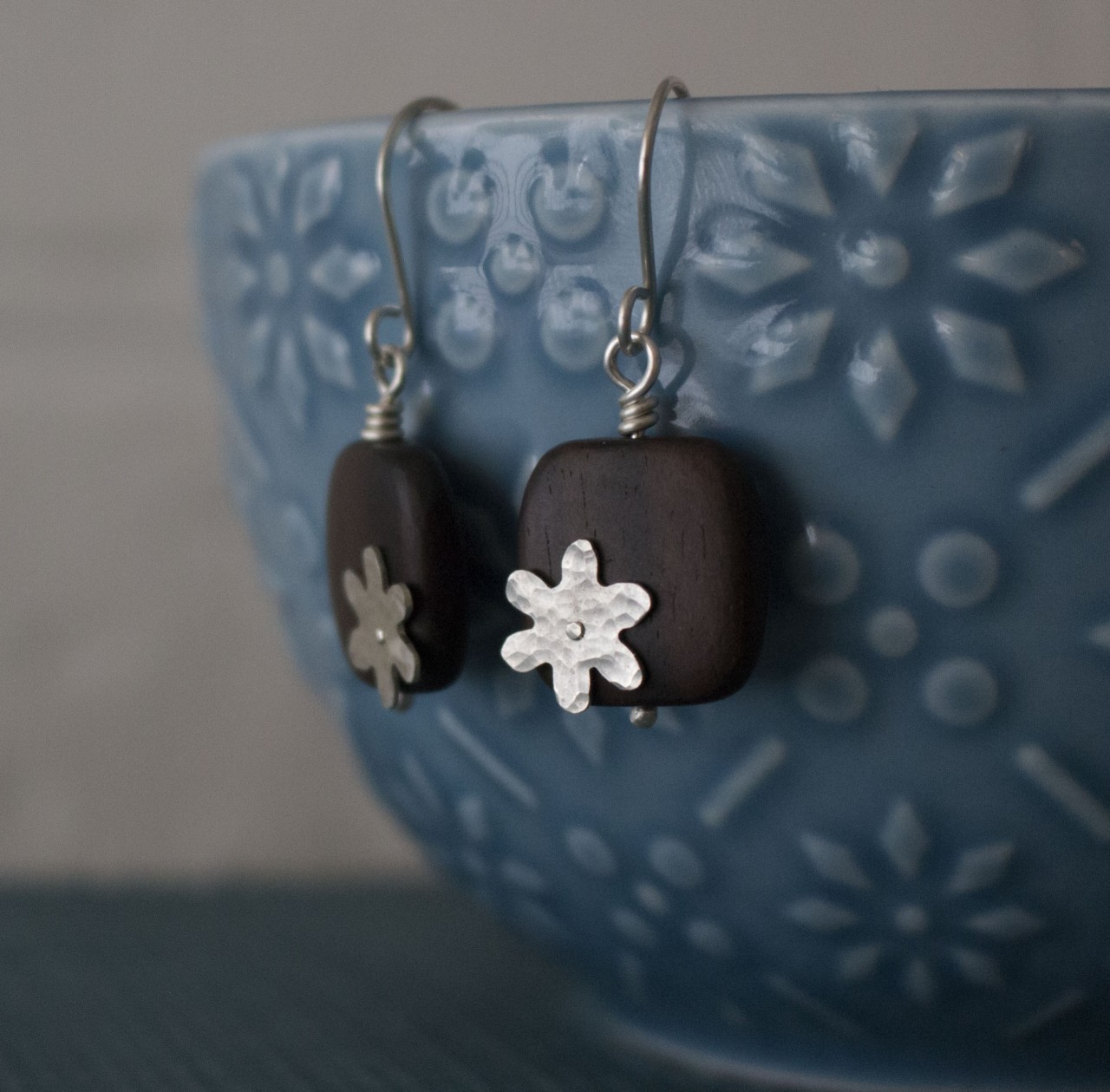
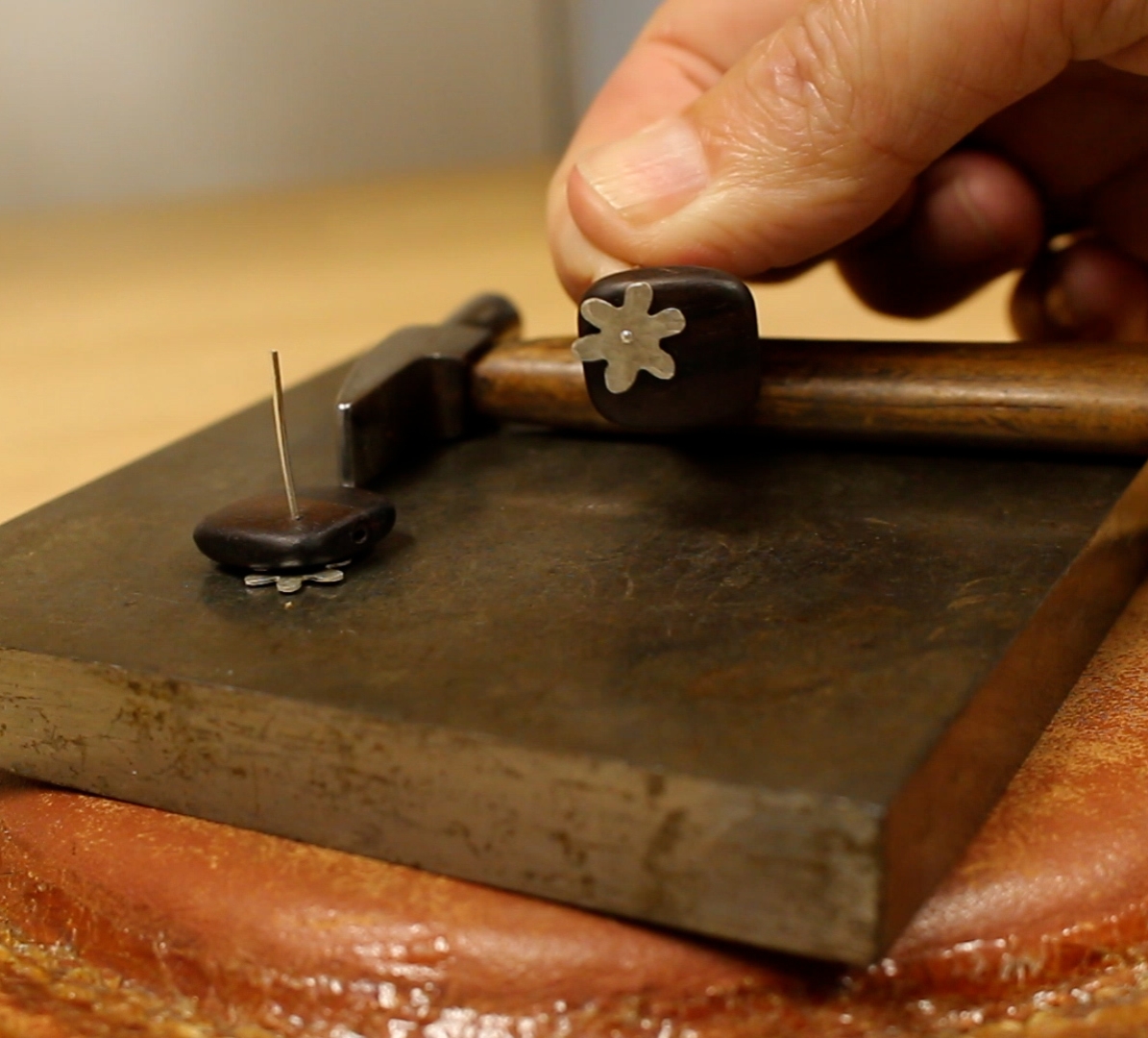
This class is the first in my riveting series and introduces simple wire rivets through a lovely beginner-friendly pair of drop earrings. Using wooden beads and small silver flowers, you’ll learn how to create neat secure rivets, with the rivet itself forming the centre of each flower.
As well as teaching the basic techniques, this class also opens up lots of creative possibilities. Riveting is a wonderful way to combine different materials that wouldn’t survive soldering, from wood and acrylic to leather, copper, recycled tins, and more. It’s also a brilliant technique for using found or upcycled materials in your jewellery designs.
This is a gentle introduction to riveting that will help you build confidence with cold connections while creating a pair of lightweight, wearable earrings full of texture and character.
All of the Riveting classes are part of the Jeweller's Bench membership - click here for more details.
If you need any extra help as you work your way through the classes do join us over on The Jeweller's Bench Café group over on Facebook - the perfect place to ask for advice and to show off what you've been making.
You will need:
Materials:
* Small pieces of silver sheet
* 0.8mm sterling silver wire
* 2 flat wooden beads.
Equipment: (all the jewellery making kit listed here can be used for many different projects)
* Soldering kit - see here for more details - only needed for making headpins, so if you're not making your own you can miss this set of equipment out for this class!
* Jeweller’s saw and saw blade
* Bench peg
* Needle file
* Steel block and leather cushion
* Riveting hammer
* Small ball pein hammer
* Planishing hammer
* Stepped mandrel or doweling
* Sharpie
* Wire cutters, round nose pliers, nylon jaw pliers, flat nose pliers
* Bench vise
* Drill and 0.8mm drill bit
An explanation of all the tools and materials that you need is included in the videos, and a downloadable equipment and materials list is available with the class.
51 minutes long, 11 lessons
Course Curriculum
"I had been struggling to rivet, and then Jo showed me where I was going wrong. This class is perfect; everything explained so clearly and concisely. And yes, I've just ordered myself a riveting hammer. Next I'm going to go through my old stash to see what I have that I can either rivet to silver, or use as a base. Thanks Jo."
Dawn G.
"This 1st series of videos is perfect as an introduction to riveting and is particularly effective in that rather than being a simple ‘how to’, the technique is used to make a unique pair of earrings. Joanne is a really good teacher....Recommended!
Virginia W.
"Finally I understand where I'd been going wrong with my rivets! Your instructions are really clear and easy to follow and I've finally riveted pieces together properly - they have stayed firmly together!"
Sara F.
Legal Disclaimer: Every effort has been made to show safe working practices and to discuss health and safety aspects of jewellery making, but in the end I cannot take responsibility for how the tutorial information is used and how safely you work. Take the effort to set up your work area safely right from the start!
All Rights Reserved. No part of this course may be reproduced or shared without express, written consent from the author.

Joanne Tinley
Tutor and Founder of The Jeweller's Bench
The Jeweller's Bench is run by Joanne Tinley. She has been making her own jewellery for as long as she can remember and left her first career as a school teacher to set up business as a jewellery designer and tutor nearly 20 years ago. She is
self-taught and like many people started with wire and beads. Learning how to solder, however, opened up a whole new world of jewellery making, one that she is keen to share!