Why Adding Fresh Casting Grain Improves Recycled Silver
 Joanne Tinley
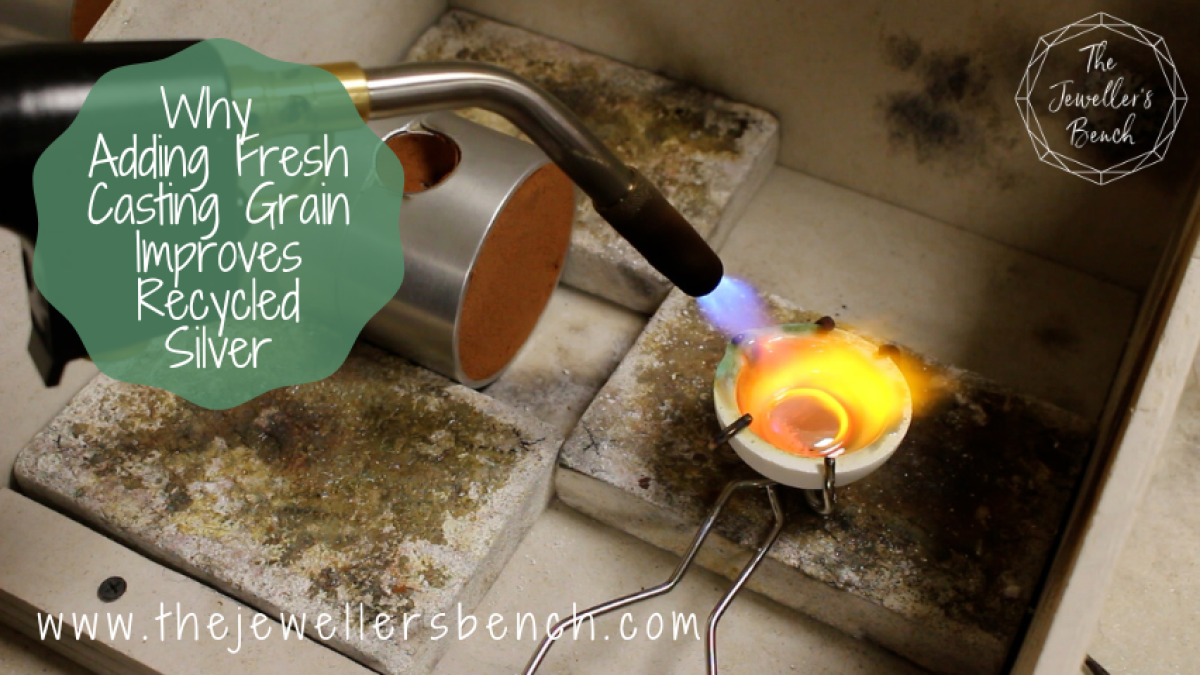
Learn why mixing fresh casting grain with scrap silver leads to cleaner castings, fewer faults, and better results in your jewellery studio.
If you’re like me, you’ve got a growing stash of sterling and fine silver off-cuts, sprues and odd bits of scrap sitting in a jar (or several!) in your studio. Precious metal is precious for a reason, and recycling what you already have into new castings is smart, sustainable workshop practice - especially in these days of high metal prices.
But if you’ve ever tried to melt down a pile of scrap on its own, cast it straight into a mould and started to mill it into new sheet or wire, you’ll probably have noticed something: the result isn’t as good as you hoped. The ingot may form cracks around the edges, or the casting may have tiny holes. That’s where fresh casting grain comes in - and why adding it to your scrap is more than just nice to do.
What actually is casting grain?
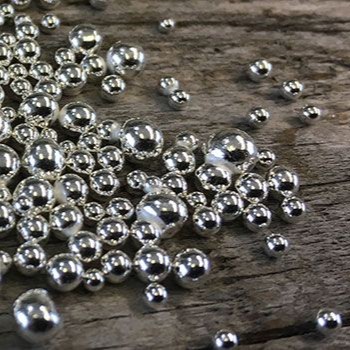
Casting grain is simply raw metal in little bits - typically irregular granules of your alloy of choice - designed to melt evenly and reliably when you heat them. Good casting grain melts cleanly, produces minimal porosity, and helps your molten metal flow into every detail of your mould with fewer defects.
Why you need fresh grain with scrap
Even though your scrap is valuable metal, it isn’t as evenly mixed and pure as new casting grain. Each time a piece of metal is melted, cooled, and worked, a few things happen:
- Purity changes with every melt: Scrap metal often contains remnants of solder you’ve used previously and contamination from other metals or tools. Adding fresh casting grain helps refresh the alloy so its properties - colour, strength, malleability - stay consistent. It keeps your work look and behave like real silver, not a mystery metal.
- Porosity and oxidation problems: Silver alloys (like sterling) are prone to absorbing gases like oxygen when they’re molten. If you repeatedly melt the same batch of alloy over and over, more and more oxygen and impurities can enter the melt. When the metal solidifies, that trapped gas causes porosity - little holes and weak spots in your casting. Fresh grain helps dilute these effects, reducing porosity by providing cleaner, more predictable material for the molten mass.
- Colour and mechanical consistency: Sterling is an alloy, not pure metal - its exact mix of silver and copper affects colour and how the metal reacts to heat and finishing. Without fresh metal to balance it, repeated remelting can shift that ratio subtly, so subsequent castings don’t match earlier ones in look or performance.

How much grain should you add?
There’s no one “perfect” number, and opinions vary, but a commonly recommended rule of thumb among jewellers is to add about 25–50% fresh casting grain to your total melt when recycling scrap. Some jewellers stick right at 50:50 (“half old metal, half new casting grain”), which almost always gives clean, reliable results. Others shift that ratio up or down depending on:
how clean the scrap is: if you know it's already got solder in there it will be best to add more casting grain to dilute the contamination
what you’re casting: if I'm making a sand casting I often only add a little fresh silver as the result won't have any hammering or shaping. If I'm planning to use my recycled silver for a more complex project such a bowl, then I definitely use the 50:50 ratio as I'll be putting the silver through a lot of work.
how often the metal has been remelted in the past: If your scrap has been through the mill a lot already, err on the higher side. It will be better to use a bit more new grain for a better alloy.
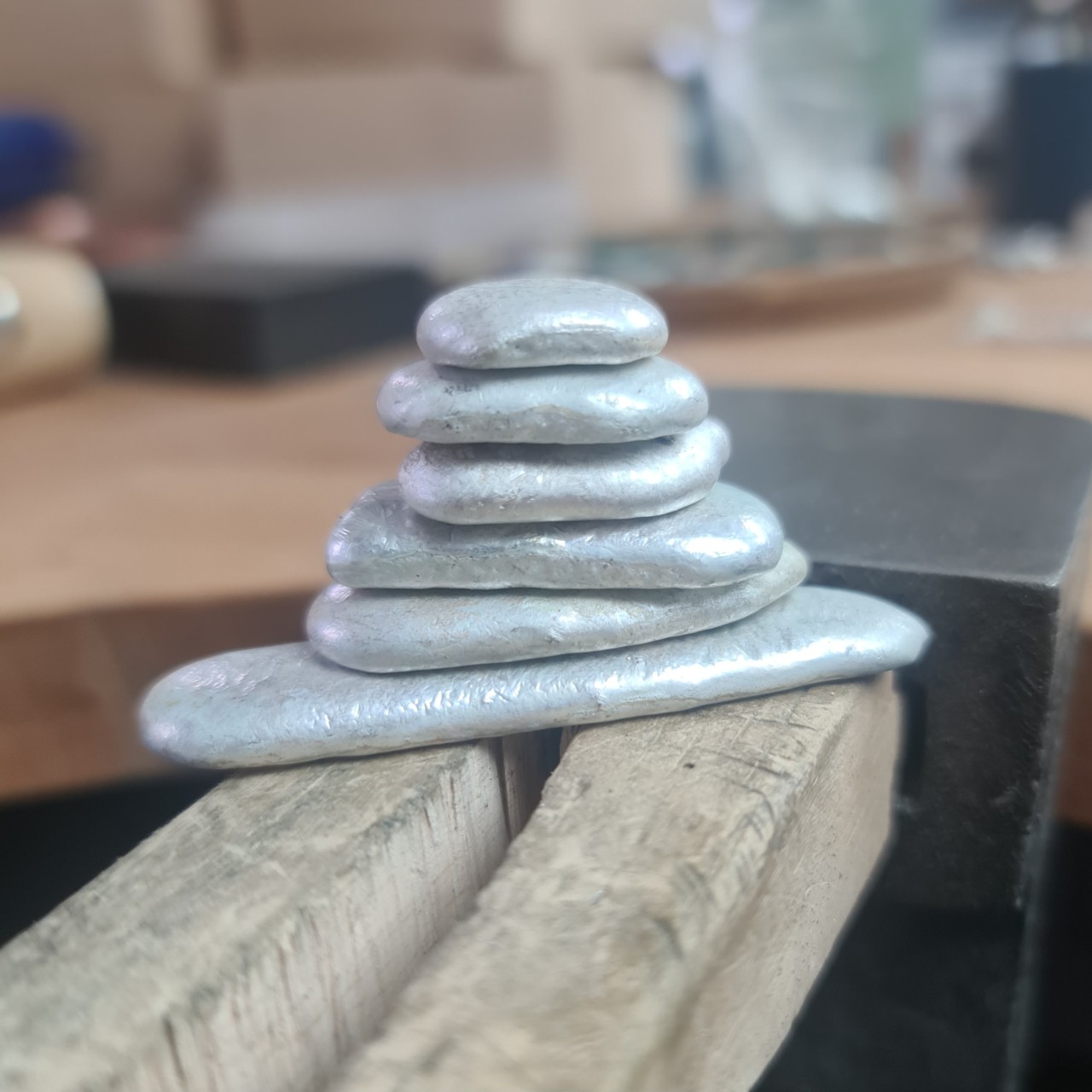
We all know silver prices have been on the rise, making every gram count. Recycling scrap and combining it with casting grain lets you:
Use more of your precious metal stock instead of letting off-cuts go unused
-
Save money by reducing how much new metal you have to buy outright
-
Reduce environmental impact by reusing metal you already own
Recycled metals, once refined, are essentially identical in quality to mined metals - and they don’t carry the same environmental or ethical costs that new mining does. All good suppliers of bullion offer recycled casting grain.
Final thoughts
Melting and casting silver is as much chemistry as craft. If you want clean, strong, consistent castings - especially when working with scrap - adding fresh casting grain isn’t optional, it’s smart practice. It protects the purity and performance of the alloy, helps avoid defects like porosity, and ensures your castings and all that lovely new sheet and wire you've made look and age beautifully.
So before your next melt, sift through those scraps, weigh them up, and go ahead - add a generous portion of fresh grain. Your castings will thank you!
Ready to start turning your scrap silver into beautiful new jewellery?
My Sand Casting ebook takes you though everything you need to know,
and includes all the tips for adding textures and stones that I share in my studio workshops,
plus how to finish your casts beautifully.

Categories: : casting, getting started, how to, jewellery making tips, jewellery tutorial

Joanne Tinley
Tutor and Founder of The Jeweller's Bench
The Jeweller's Bench is run by Joanne Tinley. She has been making her own jewellery for as long as she can remember and left her first career as a school teacher to set up business as a jewellery designer and tutor nearly 20 years ago. She is
self-taught and like many people started with wire and beads. Learning how to solder, however, opened up a whole new world of jewellery making, one that she is keen to share!